Articles
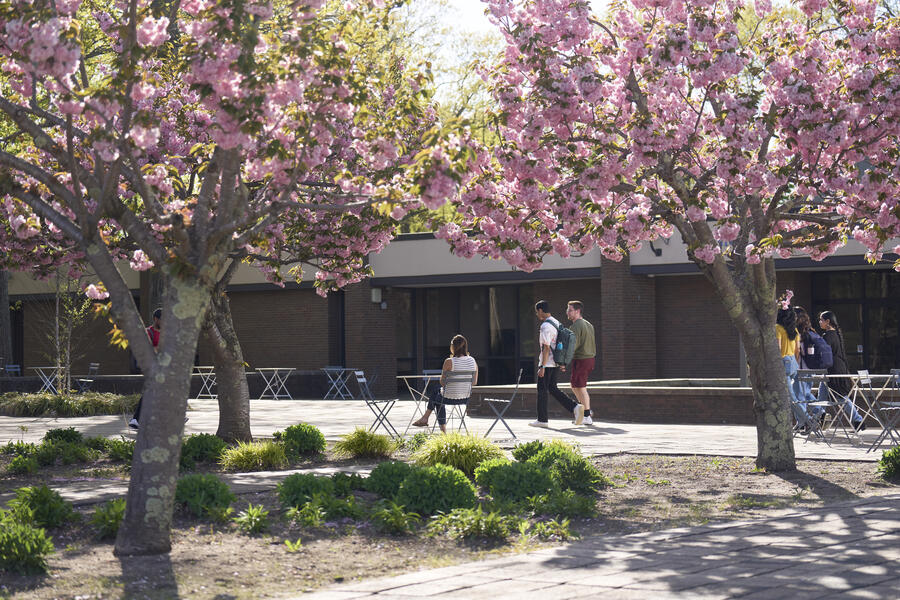
New York Tech To Be Ranked Among National Universities
For the 2027 U.S. News & World Report annual rankings, New York Tech will be included in a new ranking category—National Universities.
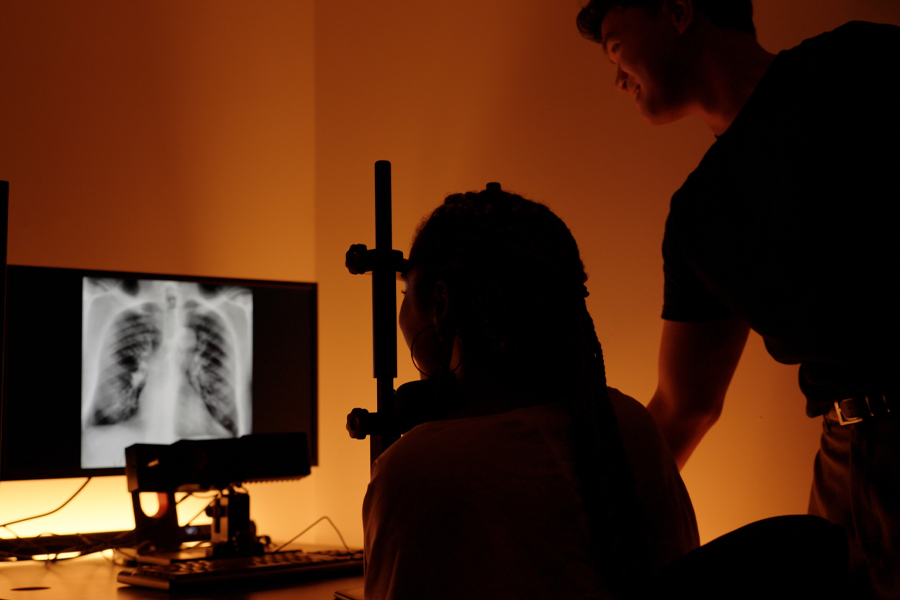
Exploring How AI Tools Can Improve Lung Cancer Detection
Research by Assistant Professor Robert Alexander, Ph.D., and student Talia Lilikakis assesses how AI tools can most effectively alert radiologists of the possible presence of a nodule.
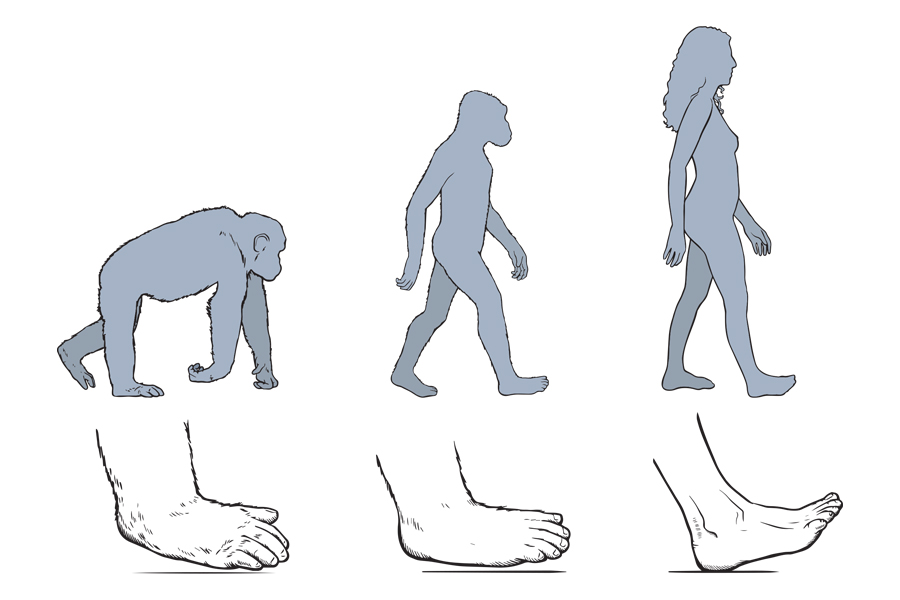
The Evolutionary Significance of Humans’ Unique Heel-Toe Walking Pattern
Associate Professor of Anatomy Nathan E. Thompson, Ph.D., contributes to research unveiling clues to the origin of humans’ stride pattern.
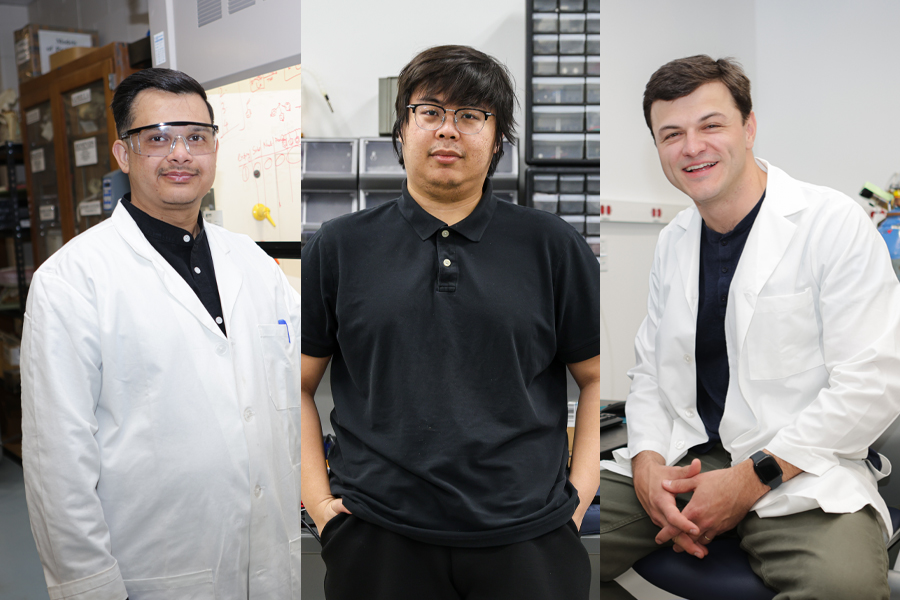
Robust Research
New York Tech’s commitment to research paves the way for important and groundbreaking work. Meet three Ph.D. students whose work may improve disaster response, recovery after muscle and bone injuries, and anticancer therapies.
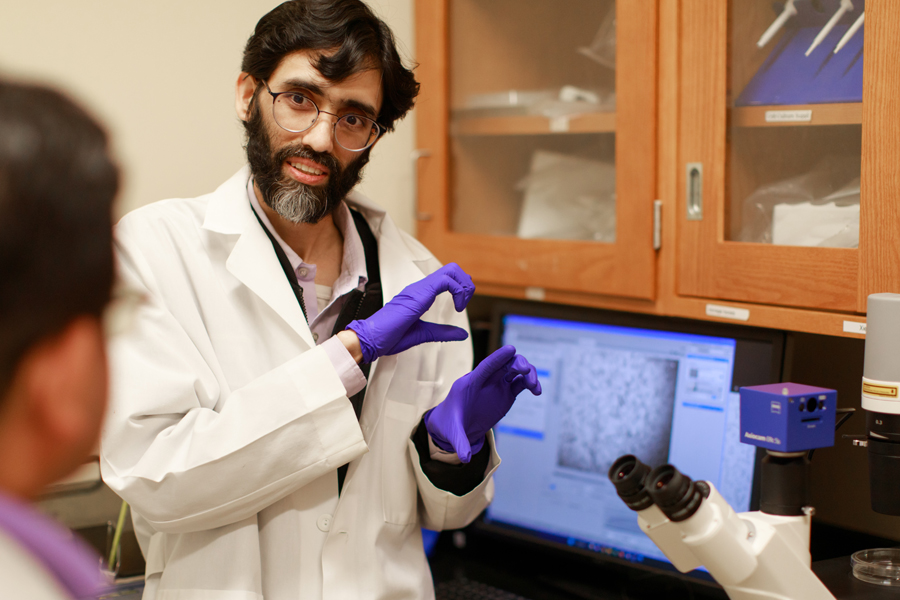
NYITCOM-Arkansas’ Rajagopalan Receives $573K NIH Grant for Cardiovascular Disease Research
The funding will further Associate Professor Viswanathan Rajagopalan’s research regarding the impact thyroid dysfunction has on cardiovascular disease.
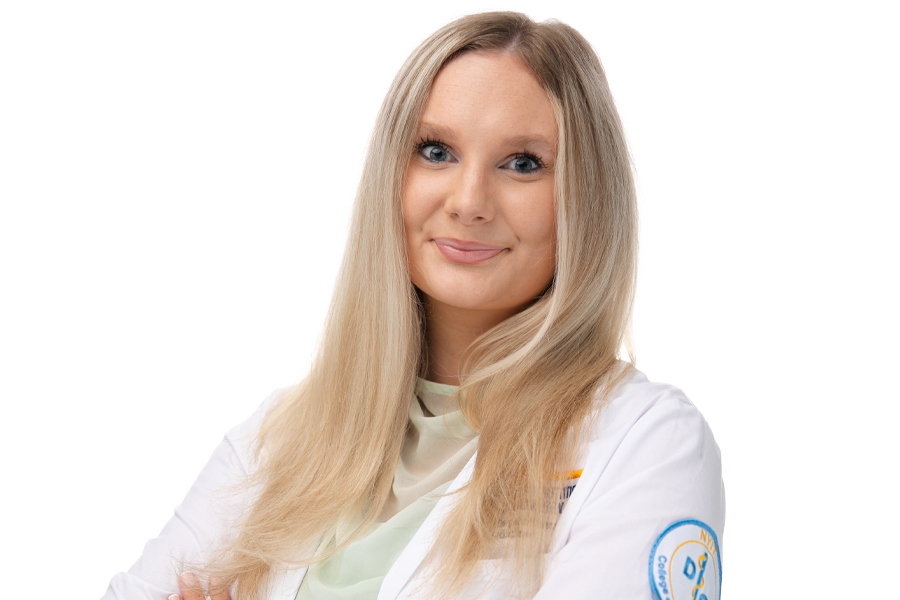
NYITCOM Student Receives American Heart Association Scholarship
A student researcher from the College of Osteopathic Medicine (NYITCOM) has secured the prestigious Student Scholarship in Cardiovascular Disease from the American Heart Association.

Ph.D. Student Uses Game Theory to Model Manhattan
Electrical and computer engineering Ph.D. student Helen Wu uses game theory to study the impact of congestion pricing in New York City.

Fellows’ Field Notes: Bofan He and Christine Lee
Edward Guiliano Global Fellowship recipients Bofan He and Christine Lee reflect on their experiences as they traveled to conduct academic research.
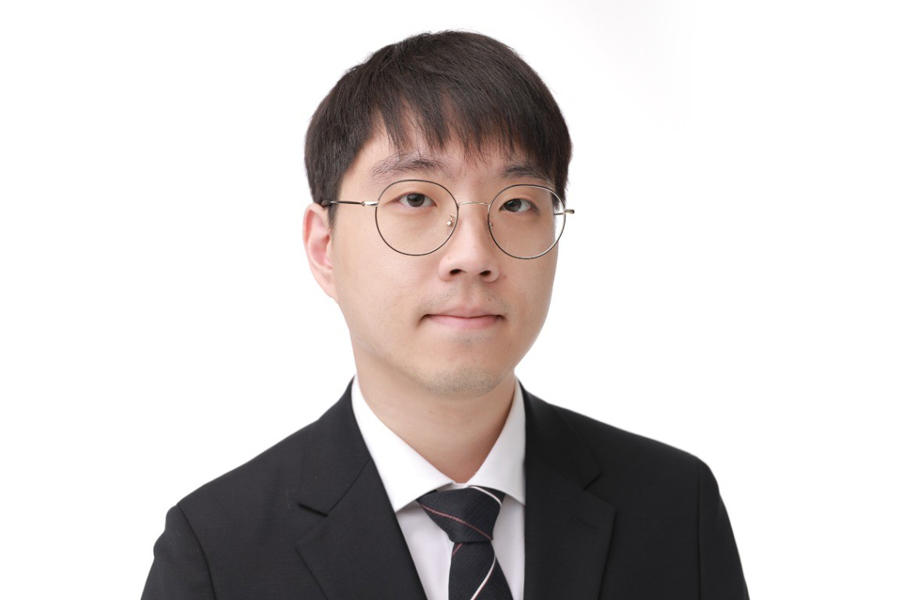
Where Medicine and Artificial Intelligence Converge
As a first-year medical student, Sungjoon Hong worked on research that focuses on ways AI can be used to help comfort and heal the human body.
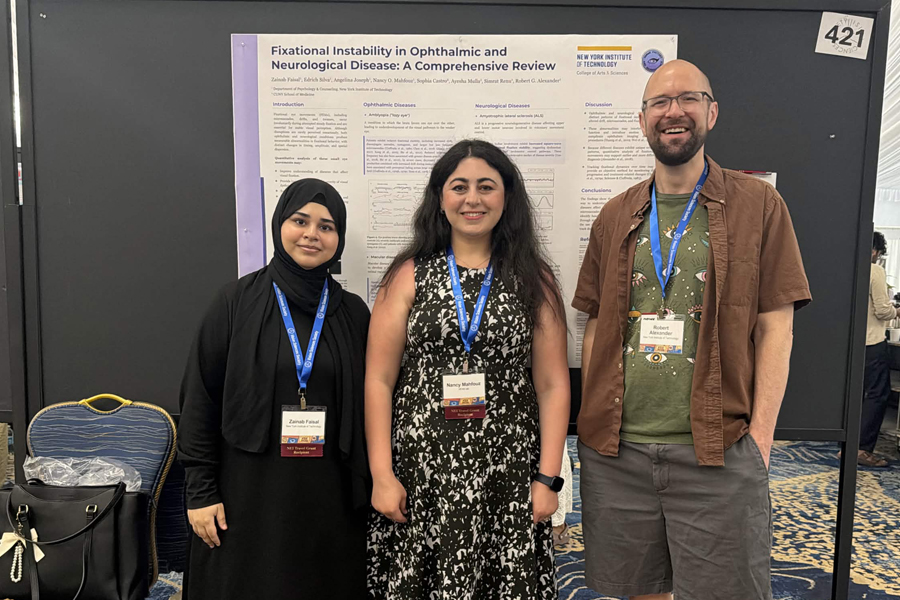
Eyeing the Future of Vision Science
Assistant Professor of Psychology and Counseling Robert Alexander, Ph.D., and two students traveled to Florida to present two studies at a vision sciences conference.