College of Arts and Sciences Welcomes New Dean
On September 1, New York Tech welcomed Charles N. Moore, Ph.D., as dean of the College of Arts and Sciences. He had been with Washington State University as professor and chair in the Department of Mathematics and Statistics. With extensive experience in leading large academic departments, research, and pursuing student- and faculty-centric approaches to leadership, Moore appreciates the value New York Tech has placed on interdisciplinary and cross-disciplinary interaction. “New York Tech emphasizes a broad education, including the humanities and social sciences,” he says. “These ideals produce highly skilled graduates who are socially responsible.”
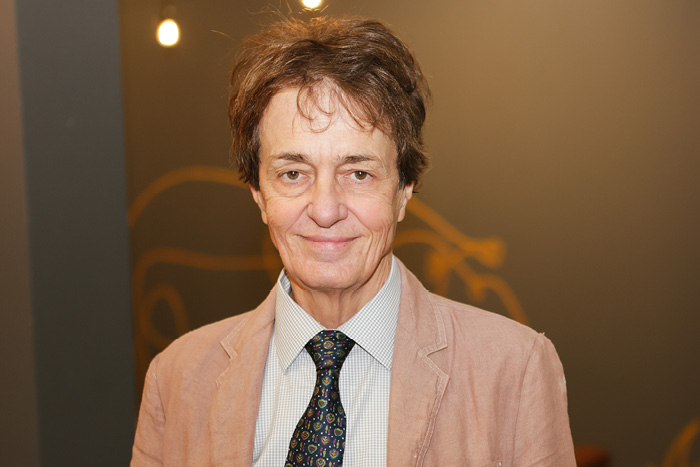
Charles N. Moore, Ph.D.
As the chief academic officer for the college, through which all New York Tech undergraduates experience the Discovery Core curriculum, Moore will further develop a Ph.D. program in chemistry, which has received preliminary approval, and will champion the arts, sciences, and humanities.
“Dean Moore will add value to the college’s diverse disciplines, as well as contribute to increased research support in line with the university’s goal of achieving high research activity,” says Provost and Executive Vice President Jerry Balentine, D.O.
Moore has also set his own goals for the college to continue and even increase its creation of interdisciplinary courses. He notes that the university’s curriculum is rapidly evolving to incorporate new technology, like artificial intelligence. “We need to understand the human dimension of these advances. We need to educate ourselves and our students on the ethical responsibilities and issues that science and technology are creating,” he says. “I want to foster a culture of adaptability that will enable us to always be at the forefront of research and education.”
During his 11 years as chair of the Department of Mathematics and Statistics at Washington State University, Moore led 35 faculty, 20 instructors, 90 postgraduates, and 200 undergraduates on four campuses. He has received numerous research grants, including from the National Science Foundation, has served as a Ph.D. and master’s thesis advisor or committee member, and has organized multiple conferences and refereed several articles for professional journals.
Prior to his time at Washington State University, Moore was a visiting assistant professor at Washington University in St. Louis; a National Science Foundation postdoctoral fellow in mathematics; an assistant professor, associate professor, and professor at Kansas State University; as well as a visiting professor at the National University of Ireland, in Galway. He earned his Ph.D. at the University of California, Los Angeles.
More News

Faculty and Alumni Publish New Books
New publications from members of the New York Tech community explore topics and interests across the fiction and nonfiction genres.
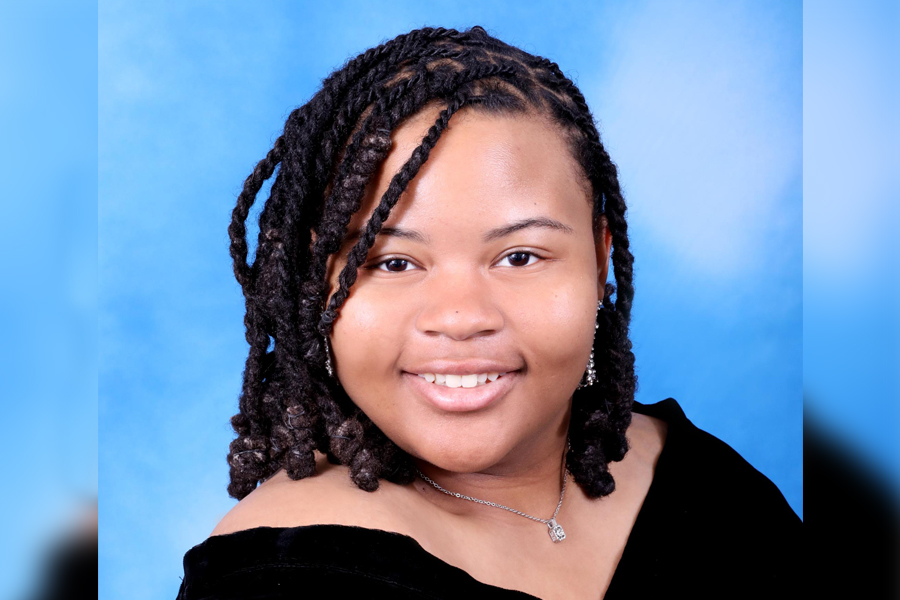
Chemistry With a Side of Art
Chemistry student Makayla Napper looks forward to exploring her field while still making time for her creative hobbies.
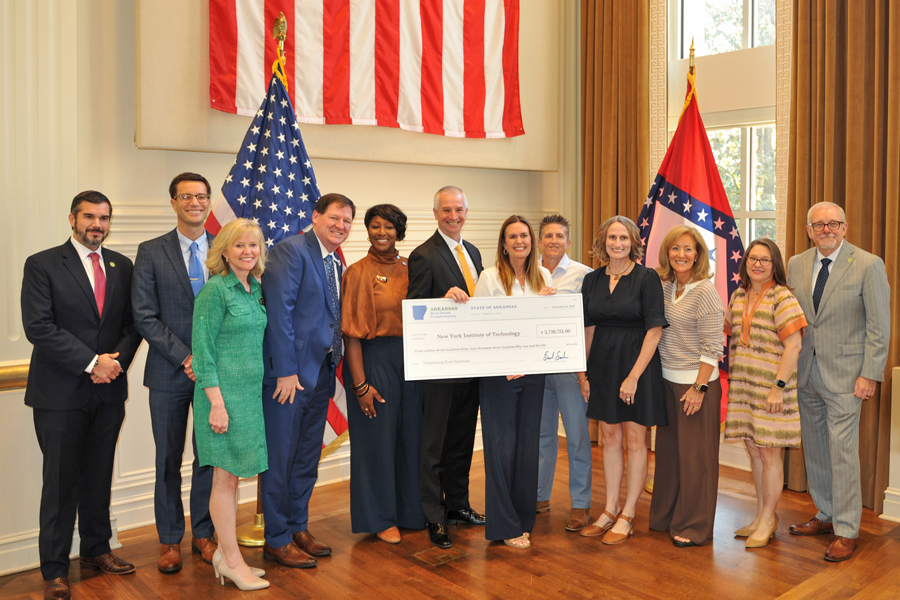
NYITCOM-Arkansas Receives Two Grants for New Residency Program, EMS Training Initiative
Two Rural Health Transformation Project grants, totaling $3.7 million, will support health education programs at the College of Osteopathic Medicine at Arkansas State University (NYITCOM-Arkansas).
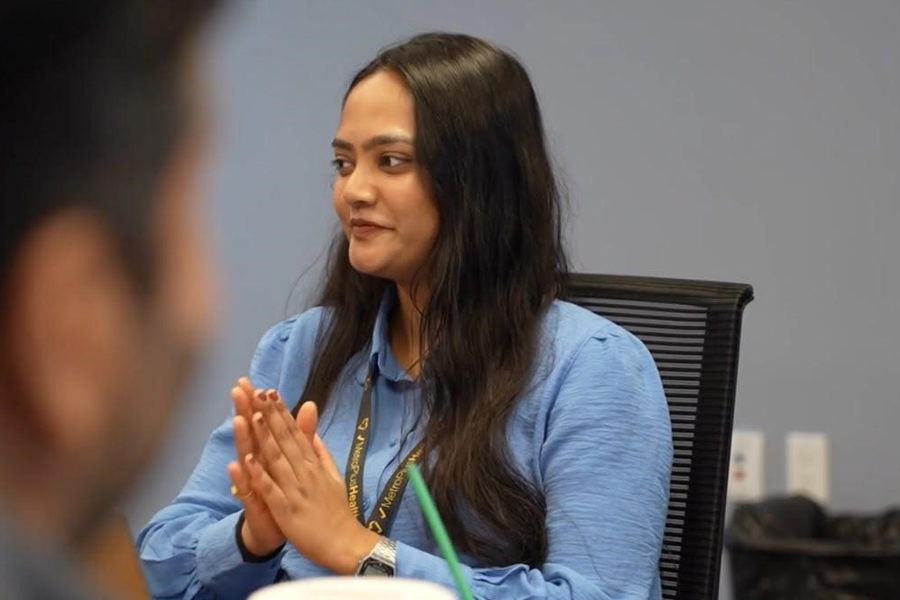
Intern Insight: Mansi Santosh Tikam
M.B.A. student Mansi Santosh Tikam spent her summer interning with MetroPlusHealth, where she learned what it means to be a marketing professional.
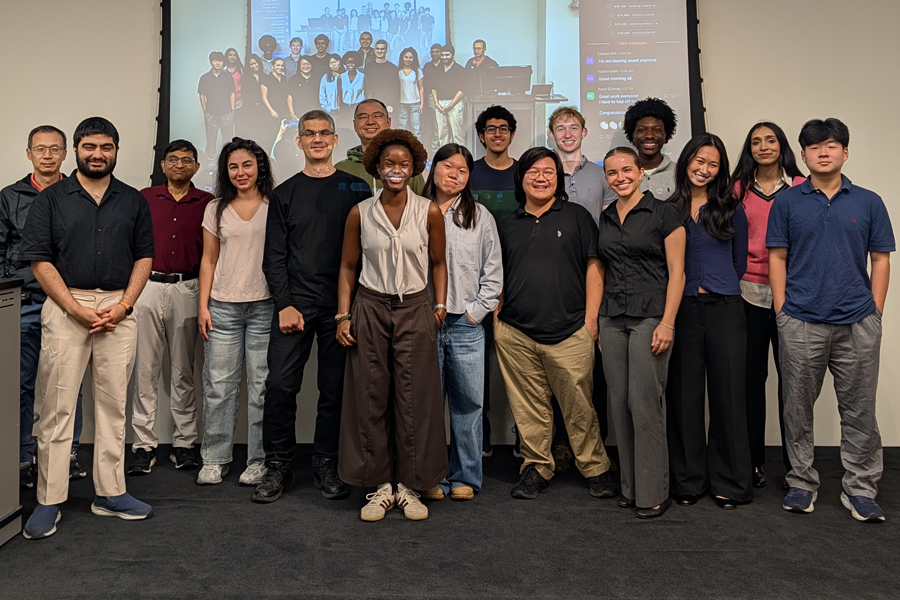
The Domino Effect
New York Tech’s Research Experiences for Undergraduates program has spent more than a decade turning summer research opportunities into lasting careers, helping build the university’s research reputation along the way.
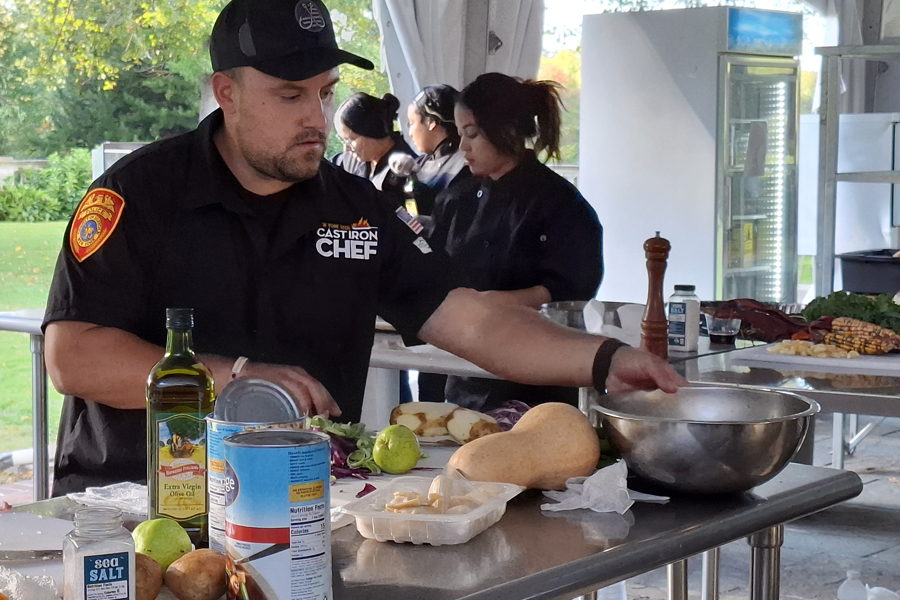
Officers Cook at 12th Annual Cast Iron Chef
This year’s Cast Iron Chef cooking competition welcomed teams of local law enforcement officers for an evening of culinary fun.